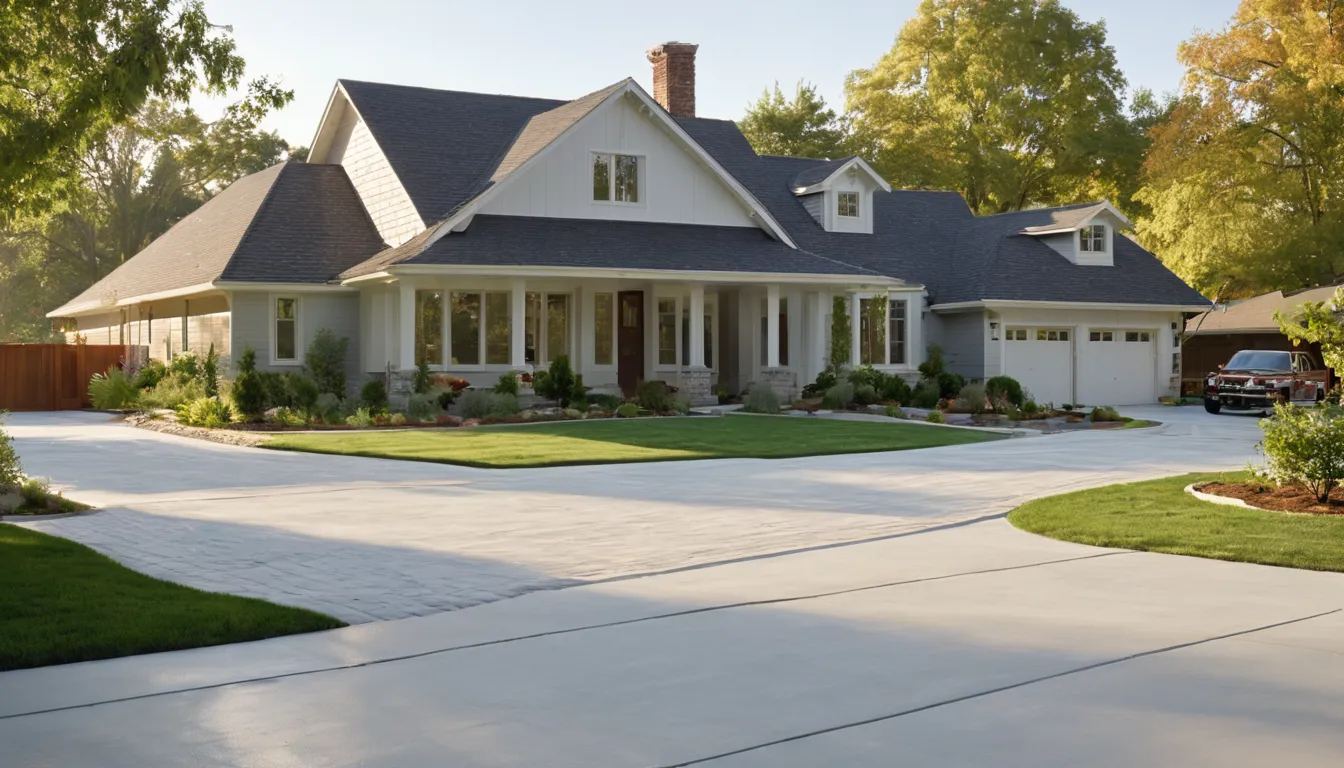
A worn driveway is more than an eyesore. Sunken slabs, wide cracks and crumbling edges can trip people and send water toward your house. If your driveway is past patching, a new pour is the fix.
Discussel Concrete is a referral service. We do not pour concrete. We connect homeowners in Birmingham and the Birmingham area with independent local providers who do. You get written quotes and time to think. Older homes get extra attention here, because old slabs hide past repairs and surprises. Compare, then decide. No pressure, no obligation.
Do you need a new driveway?
Short answer: if the slab is sinking, heaving or breaking apart, yes. Plan it soon. Loose pieces are a trip hazard. Water under a sunken slab makes the damage spread.
If the damage is small, you may not need all-new concrete. A local provider can tell you. That is why you compare.
Signs it is time to replace
Look for these:
- Cracks wider than a quarter inch that keep growing
- Slab sections sitting at different heights
- A surface that flakes, pits or crumbles
- Puddles that stay long after rain
- A gap where the slab pulls away from the garage
- Patches on top of old patches
One sign alone may not mean replacement. Three or four usually do.
Patch or replace?
Concrete driveway repair works when the ground under the slab is sound. Think hairline cracks or one chipped corner. It fails when the soil has moved. Then the crack comes back.
Ask each provider why they picked patch or replace. Ask for the reason in writing.
Old homes change the job
Old slab, new plan. An older driveway hides things. Past repairs. Thin concrete. Tree roots. A base that was never packed down. Sometimes an old drain or buried line.
Tell every provider what you know about the house. Mention repairs, even small ones. Ask how they price extra work if they find a surprise under the old slab.
Some older homes sit on piers and beams. Others are slab-on-grade ranches. In both cases, the new driveway should slope water away from the house. If you see cracked walls or doors that stick, talk to foundation repair experts first. A new driveway will not fix a house that is moving.
Request Help
What a new driveway project includes
Most jobs follow the same path:
- Measuring and marking the layout
- Removing the old slab and hauling it away
- Grading and packing the base
- Setting forms and adding steel or mesh
- Pouring, leveling and finishing the concrete
- Cutting joints so cracks form in straight lines
- Curing and sealing
This is concrete flatwork, and the base matters as much as the concrete. Ask if demolition and haul-off are in the quote. Some providers list them apart.
Choosing size and layout
Measure how you really park. A one-car strip is often about 10 feet wide. Two cars side by side need closer to 20. Leave room to open doors. Think about a turnaround if you back onto a busy street.
Thickness and finish
Four inches is common for cars. Five or six inches suits trucks, RVs and delivery vehicles. Steel bars or fiber add strength.
A broom finish grips better when wet. Smooth looks clean but gets slick in rain. Color and exposed stone cost more. Stamped patterns have their own page.
Built for heat and heavy rain
Hot, humid summers make concrete set fast. Good providers pour early in the day or slow the set. Downpours and storm season matter too. Ask how they handle slope, drainage and rain in the forecast. Hard freezes are rare in this region, so sun and water are the bigger tests.
Permits and the street apron
The apron is the strip between the sidewalk and the street. It is often city property. Work there may need a permit, and the city may set width and thickness rules. Some neighborhoods have HOA rules too.
Ask who pulls the permit. Ask if the fee is in the quote. Then check with your city office yourself.
How to compare estimates
Get at least three written quotes. Make them match. Same size, same thickness, same finish, same base work. Same demolition and permit terms.
A short quote is not a better deal. It may just leave things out. Line them up side by side. Look at what each one includes, not only the total.
Request Help
Choosing a concrete provider
Discussel Concrete does not do the work, so check each provider yourself. Ask these questions:
- Are you licensed and insured where my state requires it?
- Can I see recent local driveway photos?
- Who will be on site, your crew or a hired one?
- What warranty comes with the job, in writing?
- How do you handle surprises under an old slab?
Red flags to skip
- A large deposit demand
- Pressure to sign on the spot
- No written scope of work
- Door-to-door offers using leftover concrete
A good provider gives you time. If someone rushes you, move on.
After the pour
Keep people off for a day or two. Keep cars off until the provider says it is safe, often about a week. Heavy trucks wait longer.
Watch for sprinklers soaking the edges. Wipe up oil and fuel spills. Ask when to seal the slab, often a few weeks after the pour. Cracks along the cut joints are normal. Random wide cracks are not, so tell the provider.
Ready to compare?
Compare, then decide. Request a callback to check provider availability in your area. Or send a request and review quotes at your own pace.
Request Help
What's Included
Old Slab Removal
Providers break out the old concrete and haul it off, so the new slab starts clean.
Base and Grading
Soil is leveled and packed so water runs away from your house and the slab.
Forms and Reinforcement
Forms set the shape. Steel or fiber helps the new concrete resist cracking.
Pour and Finish
Concrete is poured, leveled, textured and cut with joints, then cured and sealed.
Typical New Driveway Costs in the U.S.
These are general U.S. ranges. Your price depends on size, soil, access and finish. Get a written quote from each provider before you decide.
| Item | Typical range | Notes |
|---|
| Old slab removal | $1 – $3 per sq ft | Thicker or reinforced slabs cost more |
| Base and grading | $1 – $3 per sq ft | Poor soil or slope adds work |
| Plain 4-inch slab | $6 – $12 per sq ft | Broom finish, standard mix |
| Thicker 5–6 inch slab | $8 – $15 per sq ft | For trucks and heavy loads |
| Color or decorative finish | $2 – $8 per sq ft extra | Added on top of the base price |
| Permit and apron work | $50 – $1,500 | Varies by city and apron rules |
Request Help
How It Works
Tell Us Your Plan
Share your address area, driveway size and any known repairs or problems with the old slab.
Get Matched With Providers
Discussel Concrete connects you with independent local providers who handle new concrete driveways.
Compare Written Quotes
Line up scope, thickness, finish, demolition and permits so every quote is judged fairly.
Choose at Your Pace
Pick the provider you trust, or walk away. There is no obligation either way.
Why Call Discussel Concrete
Extra Care for Older Homes
Aging slabs, past repairs and hidden surprises are part of the plan from the first conversation.
Real Comparison
You can collect written quotes from independent local providers and line them up side by side.
No Pressure
There is no obligation. Take your time, ask questions and decide when you are ready.
Plain Answers
Answer first, reason second. You get simple guidance, not sales talk.
Other Services