How long does stamped concrete last?
With good base prep, proper drainage and regular sealing, stamped concrete can last many years. Sealer wears down and needs refreshing. Ask each provider what upkeep they recommend for your climate.
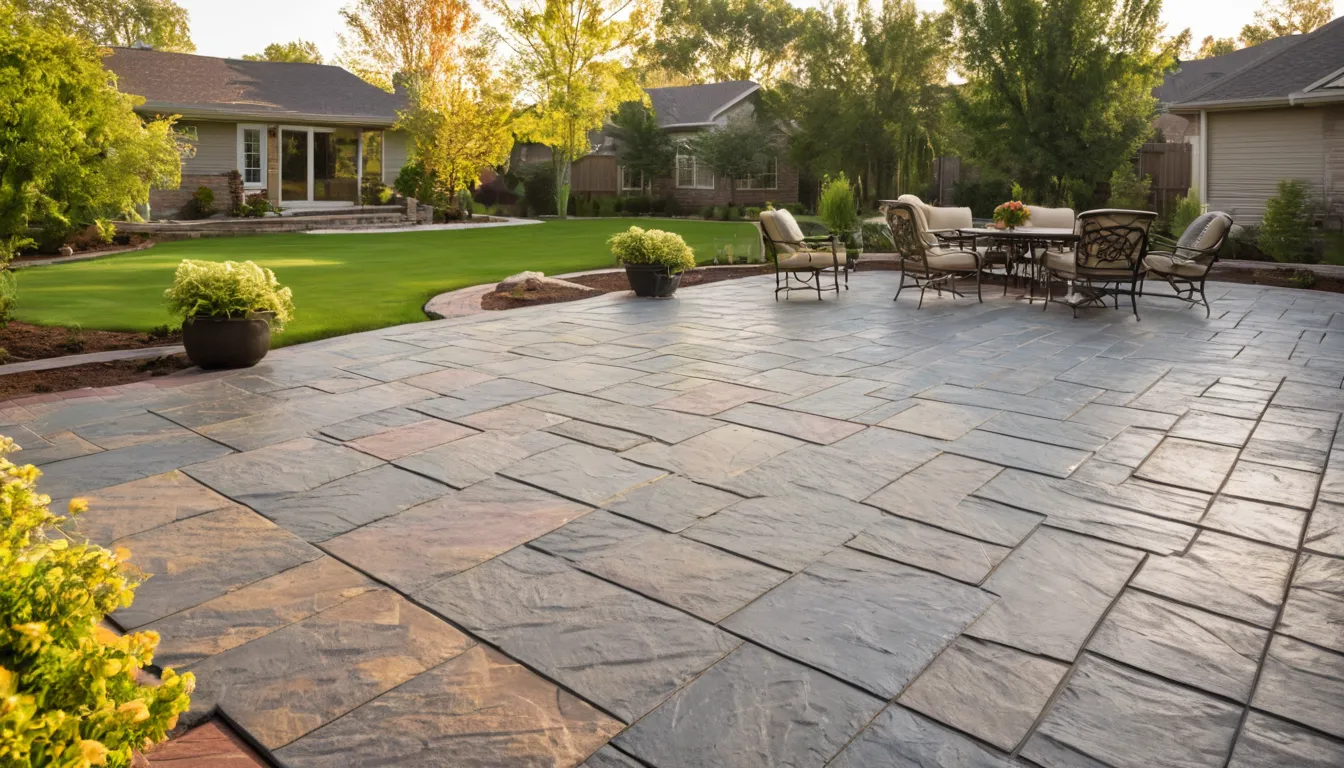
Stamped concrete is regular concrete pressed with patterns while it is still soft. Color goes in the mix or on the surface. The result looks like brick, slate or stone, but it is one slab. It suits patios, walkways, pool decks and driveways.
Discussel Concrete is a referral service. It connects homeowners in Birmingham and the Birmingham area with independent providers in our network. The providers do the work, not Discussel Concrete. Older homes often need extra thought, because old slabs, past repairs and hidden surprises can change the plan. A local provider can look at your site and explain the options. You compare written quotes from the providers you hear from. Then you decide, with no obligation and no pressure.
Maybe. It works well for patios, walks and pool decks. It also works for driveways. The question is what is under it and what you want on top.
Old slab, new plan. That is how we look at older homes.
A provider builds a base and forms the edges. Then they pour the concrete. Color goes into the mix or onto the surface. While the slab is still soft, they press in mats that leave a pattern. Last comes a sealer.
Timing matters. Hot, humid weather makes concrete set fast. A skilled crew works quickly and plans around the heat.
Popular looks include:
Pick a color that fits your siding. Brick and vinyl homes both take warm grays, tans and soft browns well. Ask to see a sample board. Colors look different in sun than indoors.
Stamped concrete suits patios, walkways, pool surrounds and entry steps. It also works for driveways, though a drive carries more weight. That means a thicker slab and a firmer base.
For concrete flatwork near a pool, ask about a slip-resistant sealer. Wet stamped surfaces can get slick.
Answer first, reason second: an old house needs a closer look before any pour.
The ground may have shifted over the years. Old slabs may be cracked or uneven. Past repairs may hide things. A good provider checks all this before quoting.
Many ranch homes sit on a slab. A new patio next to that slab needs care at the joint. Water should run away from the house, not toward it. Ask the provider how they plan the slope.
Some older houses sit on piers with a crawl space. A patio near that edge must not block vents or trap water. Tell every provider what kind of house you have.
Sometimes an old patio has to come out before new work starts. A cracked slab is a weak base. Pouring over it can pass the problem to the new surface. Ask each provider if they would remove it or build over it, and why.
Slab cracks sometimes point to soil movement. If you see doors that stick or gaps in the brick, bring in foundation repair experts before you pour anything new. Stamped work cannot fix a moving house. A provider can tell you if that step comes first.
Pavers are individual units. You can lift one and replace it. Stamped concrete is one slab, so it has fewer joints and less weed trouble. But if it cracks, the crack shows.
Pick pavers if you want easy fixes. Pick stamped if you want a clean surface and a lower upkeep routine.
Hot summers and heavy downpours test any surface. Good drainage matters most. A sealer helps shed water and protect the color. Light colors stay cooler under bare feet.
Rare hard freezes are less of a worry here. Still, ask about control joints. They guide cracks to neat lines.
Expect a few days to a week of active work for a typical patio. Then the slab needs time to cure before heavy use. Rain can push the schedule. Ask each provider for a timeline in writing.
Care is simple:
Small cracks can be sealed. Larger ones, or a sinking section, may call for concrete driveway repair or a patch from a provider.
Compare, then decide. Ask each provider for:
Do not choose on price alone. A low number can hide thin concrete or a skipped base.
Line the quotes up side by side. Look at what each one includes. Differences in pattern, color method and sealer can explain price gaps. You can say no to all of them. There is no obligation.
Stamped concrete patios often pair a main pattern with a plain border. Some add a contrasting color accent. Keep it simple on small spaces. Bold patterns suit large ones.
New stamped patios sized to your yard, with pattern, color and sealer set out in the quote.
Stamped paths and entry steps that match your siding, with slip-resistant sealer options.
Stamped surrounds with textured patterns and cooler colors, planned with drainage in mind.
Thicker slabs with a firm base and a pattern that suits your house.
Prices vary by size, pattern, color method and site prep. These are typical U.S. ranges only. Get a written quote from each provider so you can compare the same scope.
| Item | Typical range | Notes |
|---|---|---|
| Stamped patio, per sq ft | $12 – $20 | Pattern and color add cost |
| Stamped driveway, per sq ft | $14 – $24 | Thicker slab, firmer base |
| Plain concrete, per sq ft | $6 – $12 | Useful for comparison |
| Old slab removal | $2 – $6 per sq ft | Varies with thickness and access |
| Sealer and resealing | $1 – $3 per sq ft | Needed every few years |
| Walkway or steps | $15 – $30 per sq ft | Steps cost more than flat paths |
Request a callback or send the request form. Share your house type, the space and the look you want.
We connect you with independent providers in our network who handle stamped concrete near you.
Each provider reviews the site and sends a quote. Line them up and ask questions.
Pick a provider, or none. There is no obligation and no pressure.
Aging slabs and past repairs change the plan, so we flag them early.
Local providers do the work. We connect you and step back.
Written quotes side by side help you see what each price includes.
Decide at your pace. You can say no at any point, and there is no obligation to move forward.
Planning a new driveway or patio? Request a callback to check provider availability, or send a request. No obligation, and you choose who to hire.
No obligationWith good base prep, proper drainage and regular sealing, stamped concrete can last many years. Sealer wears down and needs refreshing. Ask each provider what upkeep they recommend for your climate.
Sometimes. A provider can add a thin stamped overlay if the old slab is sound. Badly cracked or sinking slabs usually need to come out first. A provider has to inspect it before they quote. Photos alone are not enough.
It can be, especially with a glossy sealer. Ask for a slip-resistant additive in the sealer, mainly around pools and steps. Textured patterns also help. Heavy rain makes this worth a quick question to providers.
Planning a new driveway or patio? Request a callback to check provider availability, or send a request. No obligation, and you choose who to hire.
No obligation